Trying to figure out how websites show up on Google? You’re not alone. SEO might sound complicated, but it’s really just a set of steps that help people find your site when they search online. Whether you’re starting a blog, running a small business, or just curious, taking time to learn real basics of SEO can make a big difference. You don’t need to be a tech expert—you just need to know what works and why. This guide breaks things down in plain terms so you can get started without feeling overwhelmed. Let’s walk through the first steps together.
Understand How Search Engines Work
Before doing anything with SEO, it helps to know what search engines actually do. Google and others follow a simple process: they crawl websites, index pages, and rank them based on certain rules.
Crawling means a search engine sends out bots—also called spiders—to visit webpages. These bots go from link to link, collecting information about each page they find. If your site has broken links or pages that block these bots, some parts might never get seen.
Indexing is the next step. After crawling your site, the search engine adds your content to its database. But not everything gets added. Pages that load too slowly or have duplicate content might be skipped or ranked low.
Ranking happens after indexing. The search engine looks at many factors like keywords in your text, how well the page is structured, how fast it loads, and whether it’s mobile-friendly. It also checks for backlinks—links from other websites pointing to yours—and uses all this data to decide where your page should show up in results.
If you want better results on Google, start by making sure your website is easy for bots to explore and understand. For WordPress users who want help with this part of SEO setup, there’s a Free Video Course – December 2025 Access called 4 Steps to the Google Launch. It shows how to clean up site structure, remove bad pages that hurt rankings, fix URLs automatically, and manage which pages appear in searches—all without needing deep tech skills.
This course was made for beginners who want fast wins and a smooth way into SEO basics without getting lost in jargon or tools they don’t need yet.
If you’re ready to take control of how search engines see your WordPress site and want clear steps from someone who’s done it before—Start the Free Course Now.
Understanding these basics makes everything else easier down the line when you dig deeper into keyword use or link building. If you’re serious about growth online but just starting out then it’s time to learn real basics of SEO first so each move you make supports long-term progress.
Learn Real Basics of SEO
To get started with search engine optimization, it’s important to understand a few core parts. These basics will help you build a strong base for your site’s growth on Google and other search platforms. When people talk about SEO, they often mention things like keywords, meta tags, and backlinks. These might seem confusing at first, but they’re not hard once you break them down.
Keywords come first. Think of them as the words people type into Google when they want to find something. Your job is to figure out which terms match what your website offers. Once you know that, use those words in your page content—especially in titles and headers—so search engines can connect your pages with the right searches.
Meta tags help describe your content to Google without showing up on the actual page visitors see. The title tag appears in search results as the clickable headline. The description tag shows a short summary below it. Writing clear and useful meta tags helps users decide if they should click on your link.
On-page optimization means making small changes on each webpage so it works better for both users and search engines. That includes using headings properly (like H1s for titles), making sure images have helpful names and alt text, fixing broken links, and keeping content easy to read.
Backlinks also matter a lot. These are links from other websites that point back to yours. They show Google that others trust or value what you’re sharing. Getting quality links takes time but plays a big role in how high you rank.
If this feels like too much all at once, there’s help available that walks through these steps clearly—especially if you’re using WordPress. A free video course led by Florin Muresan explains how to clean up site structure, remove harmful pages, fix URLs fast with automation tools, manage sitemaps properly, and gain control over what gets indexed by Google.
Learn real basics of SEO by applying simple actions consistently—and get extra support when needed from trusted sources designed for beginners who want quick wins without confusion.
Create Quality, User-Focused Content
When people search online, they want answers. If your content gives them what they’re looking for, they stay longer and may come back again. That’s a good sign to search engines that your site is helpful.
Start by picking topics that match what your audience wants to know. Think about what real people might type into Google. Then write in plain words. Avoid long sentences or complicated terms. Make sure every piece you publish has a clear purpose and solves a problem or explains something useful.
Use headings to break things up so it’s easy to scan. Add bullet points when listing steps or tips. Keep paragraphs short so readers don’t get lost in big blocks of text.
Don’t stuff keywords everywhere — instead, make sure each word earns its place by helping the reader understand better. When you learn real basics of SEO, you’ll see that matching user intent is more important than just repeating phrases.
Content should be accurate and updated often if needed. Outdated info can confuse users and hurt trust over time. Also, link out to trusted sources where it makes sense — this builds credibility.
If you’re using WordPress, cleaning up the structure of your site helps too. A cluttered setup can block good content from being found easily by Google bots. The Free Video Course – December 2025 Access taught by Florin Muresan walks through how to fix these common issues step-by-step — like removing harmful pages or updating messy URLs.
This kind of cleanup improves how well your content performs in search results because it clears the path for both users and crawlers to move smoothly through your pages.
Want help getting started? Start the Free Course Now and learn how simple fixes can make a big difference in making your site ready for traffic that sticks around longer because they find exactly what they’re looking for on your page.
Track Your Progress with Analytics Tools
Once your site is live and you’ve started applying SEO basics, it’s time to see how things perform. This is where tools like Google Analytics and Google Search Console come in handy. These tools help you watch what’s working and what’s not.
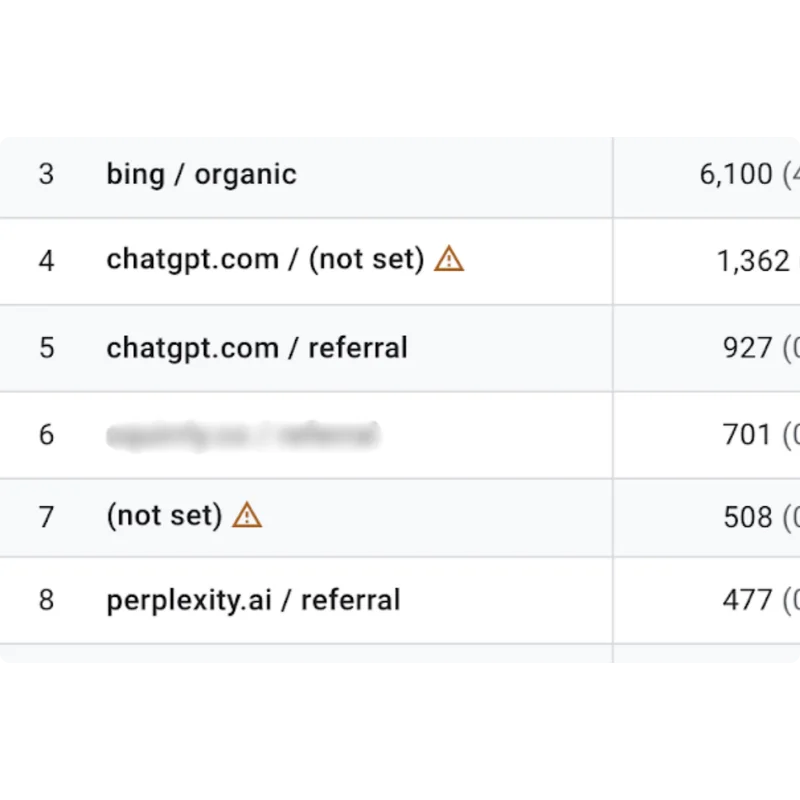
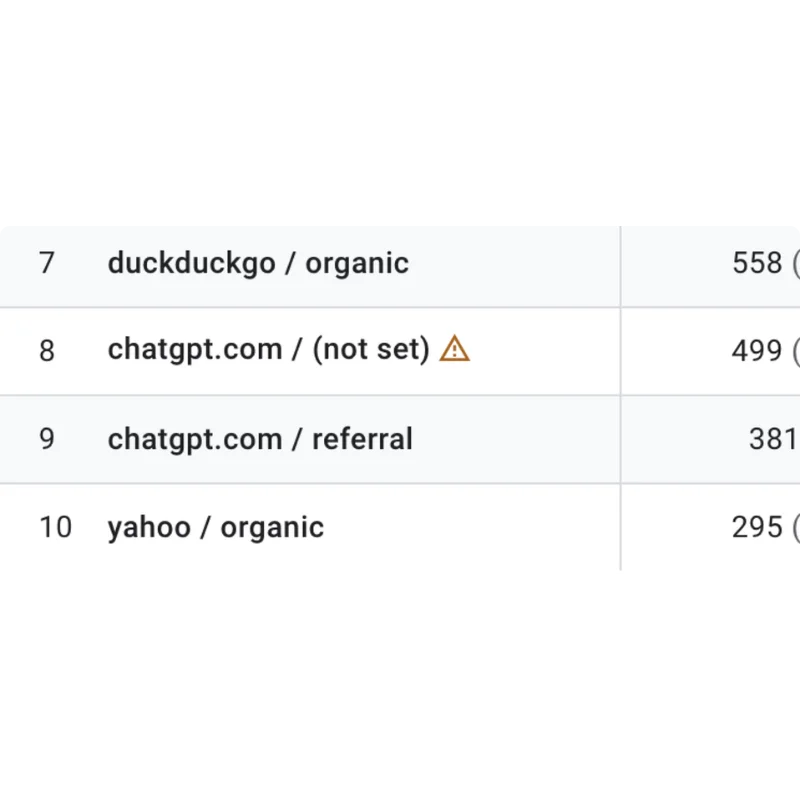
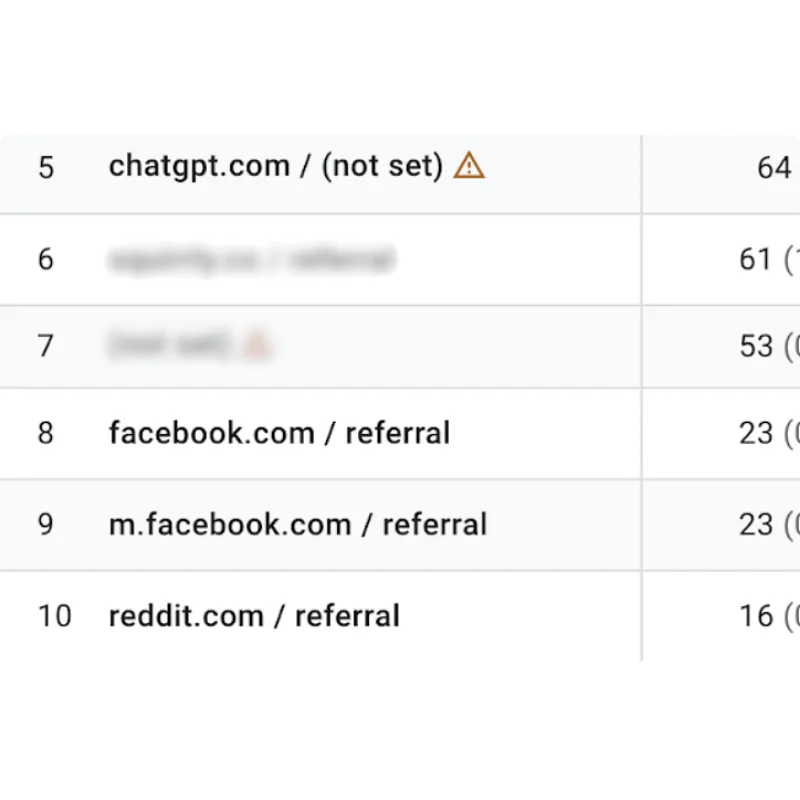
Google Analytics shows how people find your site. It tracks traffic sources, which tells you if visitors came from search engines, social media, or direct links. You can also look at bounce rates — this tells you if people leave your site quickly after landing on a page. If that number is high, it might mean the content doesn’t match what they expected or the page loads too slowly.
Google Search Console gives more behind-the-scenes data. It helps you see which keywords bring users to your pages and shows any technical problems that could hurt performance. For example, it alerts you if Google has trouble crawling certain parts of your site or if some pages aren’t indexed at all.
When you’re just starting out, tracking these numbers may feel overwhelming. But learning to read them over time will help shape better decisions for your website. You’ll begin to notice trends — maybe one blog post brings steady traffic while another gets ignored completely.
This kind of feedback lets you adjust early without guessing. Small changes like improving title tags or fixing broken links can make a difference fast when guided by real data.
To get even more control over things like sitemap settings and URL structure, beginners can follow resources designed for hands-on guidance. The Free Video Course – December 2025 Access, called 4 Steps to the Google Launch, teaches how to clean up harmful pages and fine-tune WordPress sites for better visibility in search results — perfect when paired with analytics insights.
If you’re ready to dig deeper into making smart updates based on data, Start the Free Course Now. It’s a helpful next step once you’ve begun using tools like Analytics and Search Console effectively to guide your strategy.
Taking time now to learn real basics of SEO sets up long-term progress that’s easier to measure and improve as you go forward.
Start Strong with the Right SEO Foundations
Now that you’ve explored how search engines operate and why quality, user-focused content matters, you’re well on your way to building a solid SEO foundation. When you learn real basics of SEO—like optimizing site structure, tracking performance with analytics, and understanding what search engines value—you set yourself up for long-term success. For an extra boost, check out the 4 Steps to the Google Launch free video course by SEO expert Florin Muresan. It’s packed with beginner-friendly tips to clean up your WordPress site and eliminate common SEO blockers. Start the Free Course Now and take control of your site’s future on Google.